
When choosing power tools, one of the most common questions is: brushless vs brushed motors – what’s the real difference, and which one is better for your market?
I wish the answer were simple. After years in the power tools industry—and running WACTEC’s export business across very different regions—I’ve learned that the “right choice” depends heavily on who you’re selling to, how they work, and even the culture of the market.
So instead of giving a textbook explanation, let me break it down the same way I explain it to distributors, contractors, and retailers I talk to every week.
1. How They Actually Work in Real Life
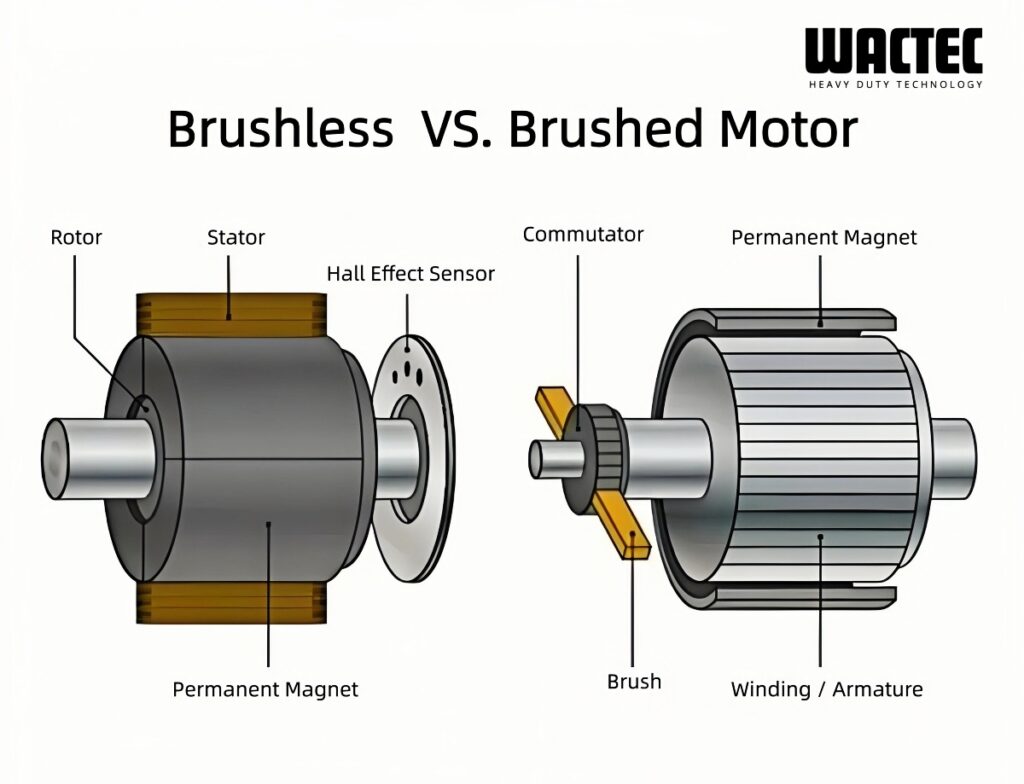
Understanding the differences between Brushless vs Brushed Motors is crucial for making the right choice.
Brushed Motors — the old-school workhorse
Brushed motors are simple machines. Brushes rub against the commutator, current flows, the tool spins—nothing fancy. And honestly, this simplicity is exactly why many customers still like them.
The downside?
That constant friction means heat, noise, and eventually worn-out brushes. Most people don’t notice it at first, but heavy users definitely feel the performance drop over time.
Brushless Motors — newer, more controlled, more efficient
Brushless motors don’t have physical brushes—they Are run by electromagnetism and electronics.
Less heat, better runtime, longer life… and fewer headaches.
2. Price: Where Many Buyers Make Their Decision
This is where the conversation usually gets interesting.
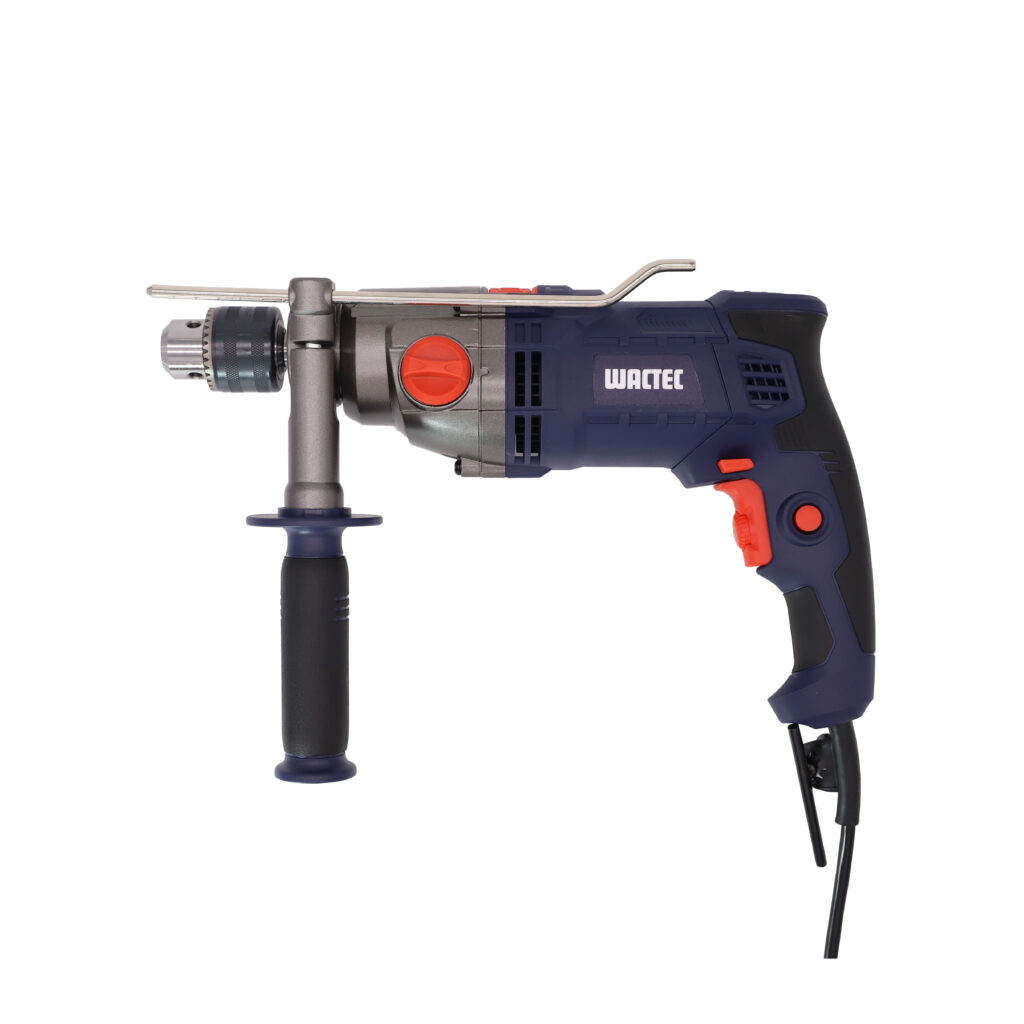
Brushed Tools: lower price, higher upkeep
A lot of our dealers in Southeast Asia and South America still prefer brushed tools because they are easier to sell in price-sensitive markets. They can get the job done, they are not expensive, and even if they break, most people know how to fix them.
But if the brushes wear down or burn out, the users can choose to replace them or just throw the whole tool away.
Brushless Tools: higher upfront cost, better long-term math
Brushless tools cost more—no way around that. But if your customers are contractors or industrial users, the math changes quickly. No brush replacements, less battery drain, fewer failures on the job.
A simple comparison I often give:
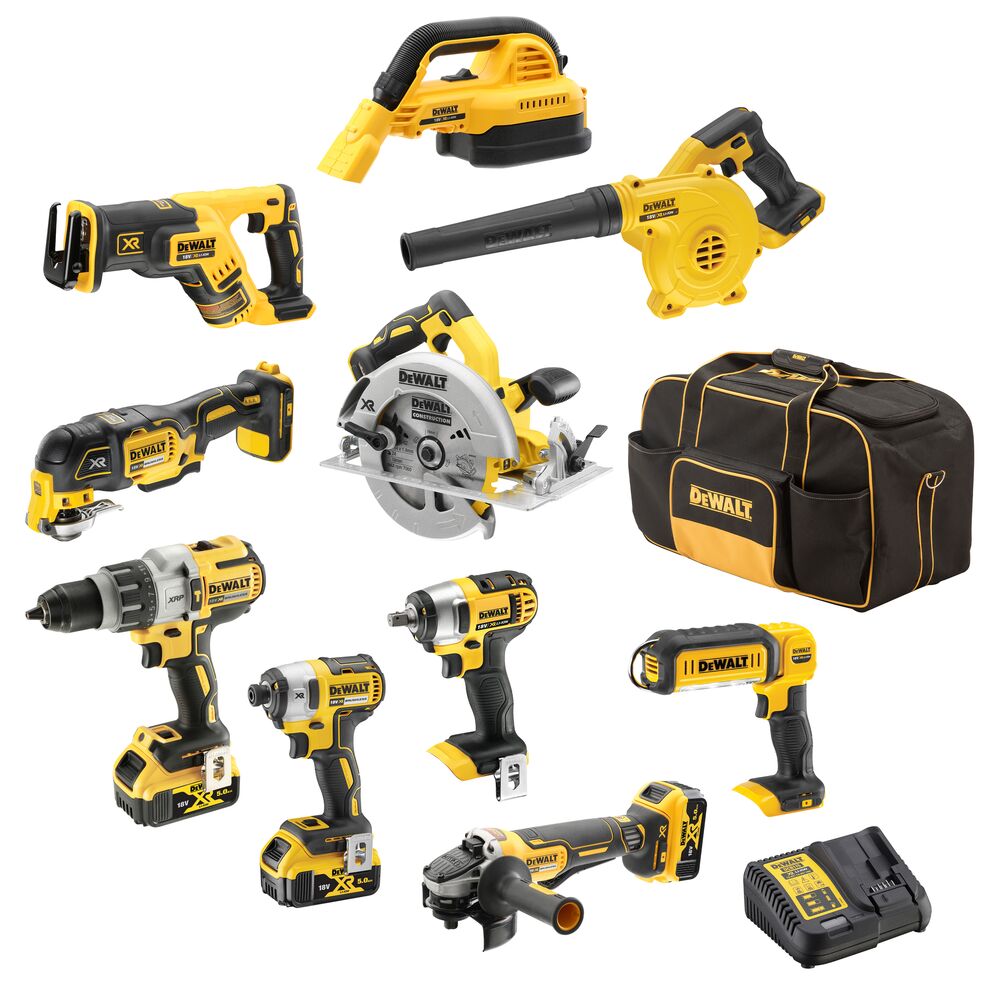
DeWalt’s brushed drill: great for weekend projects
DeWalt’s XR brushless drill: built for people who actually work with tools every day
It’s not just marketing. The performance difference is obvious once you use them side by side.
3. What Really Affects Tool Performance (Beyond Motor Type)
Most buyers focus on brushless vs brushed motors, but in real-world use, motor type is only part of the story.
What really determines performance—and more importantly, reliability—comes down to how the entire system is built.
Here are three factors experienced distributors pay attention to:
(1) Heat Management (This Is Where Tools Fail First)
In heavy-duty use, heat is the biggest enemy.
Brushed motors naturally generate more friction, which leads to higher temperatures.
But even brushless tools can overheat if the internal design isn’t optimized.
Good tools manage heat through:
- Efficient motor design
- Airflow structure inside the housing
- Stable current control
If heat isn’t handled well, performance drops quickly—and long-term failure becomes inevitable.
(2) Battery System & Current Stability
For cordless tools, the motor is only half the equation. The battery system matters just as much.
Two tools may both claim “20V”, but their real output can be completely different depending on:
- Cell quality
- Pack structure (for example, 5S2P vs lower configurations)
- BMS (Battery Management System)
A well-designed battery pack ensures:
- Stable current output under load
- Less power drop during heavy work
- Longer overall tool lifespan
This is one of the biggest differences between entry-level tools and professional-grade systems.
(3) Durability Testing (What Happens After 100 Hours?)
On paper, many tools look similar. The difference shows up after continuous use.
In our experience, serious buyers increasingly care about:
- Continuous load testing
- Impact and vibration resistance
- Long-cycle battery performance
Because in real projects, tools are not used for minutes—they run for hours, day after day.
What This Means for Buyers
Choosing between brushless and brushed is important—but it should not be the only decision factor.
If your customers are professionals, they are not just buying a motor.
They are buying consistency, stability, and fewer problems on the job site.
4. Which Type Fits Your Market? (This Part Really Matters)
This is where human experience makes a difference, not theory.
Brushed motors fit markets where:
DIY is more common than professional work
Price sensitivity is high
Users don’t expect to run tools for hours
For example, some of our Middle Eastern customers sell enormous volumes of brushed drills during seasonal promotions.
Brushless motors fit markets where:
Customers use tools all day
Contractors care about runtime and power
Tool life matters more than upfront cost
In the U.S. and parts of Europe, brushless tools dominate—no question.
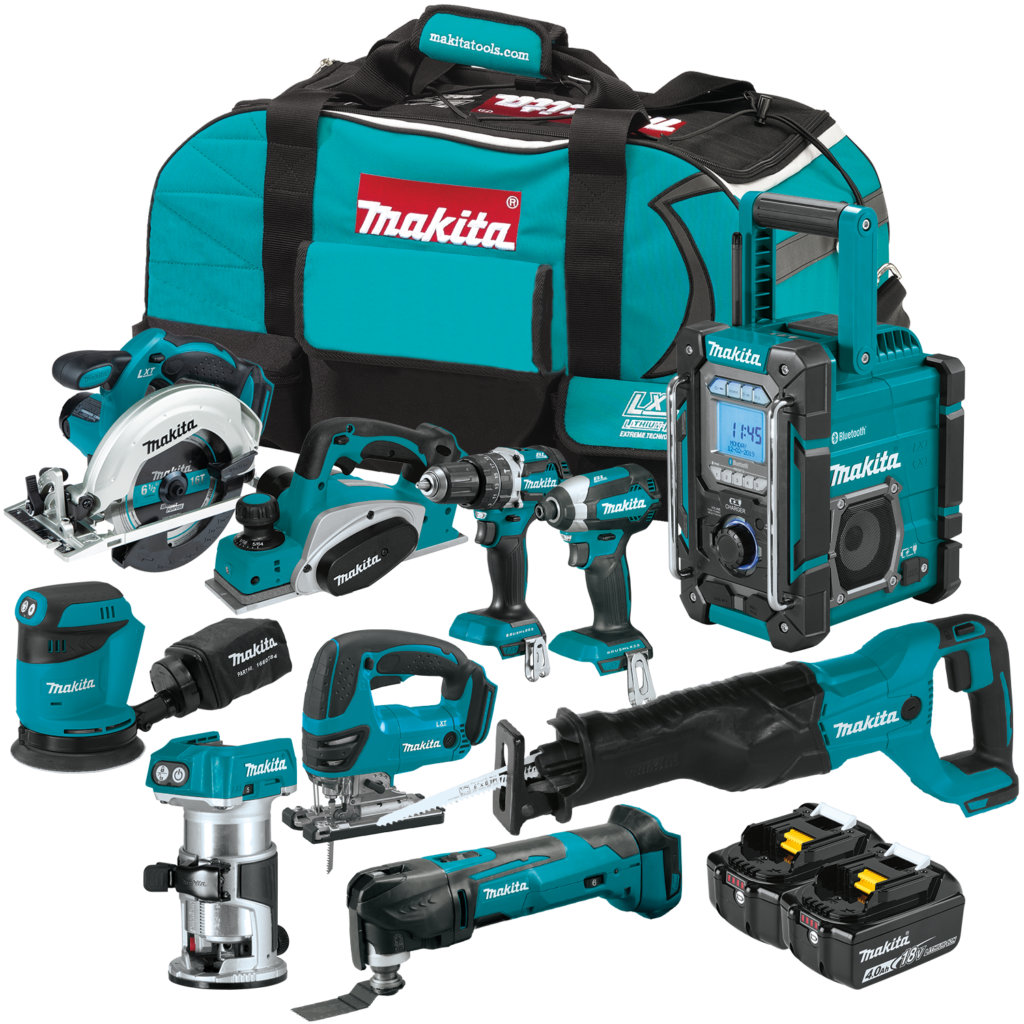
Makita is a great example:
Their brushed drills sell well to hobbyists, but contractors almost always pick the LXT brushless series.
Choosing the Right Product Line for Your Market
If you are a distributor or importer, the decision is not just about motor type—it’s about positioning.
At WACTEC, we help partners build the right product mix based on:
- Target price range
- Customer type (DIY vs professional)
- Sales channel (retail / online / project supply)
If you’re planning your next product line, feel free to contact us. We can help you structure a competitive lineup for your market.
5. Market Trends I Have Seen Over the Years
The industry is slowly but steadily moving toward brushless motors, and it’s obvious why: efficiency rules everything.
That said, different regions evolve at different speeds:
North America & Europe: Brushless is the standard. Regulations, expectations, and professional demand keep pushing it forward.
Emerging markets: Brushed tools still dominate, especially 21V and 24V price-friendly kits. But every year, I see more distributors adding at least one brushless line to their catalog.
Bosch is a good example:
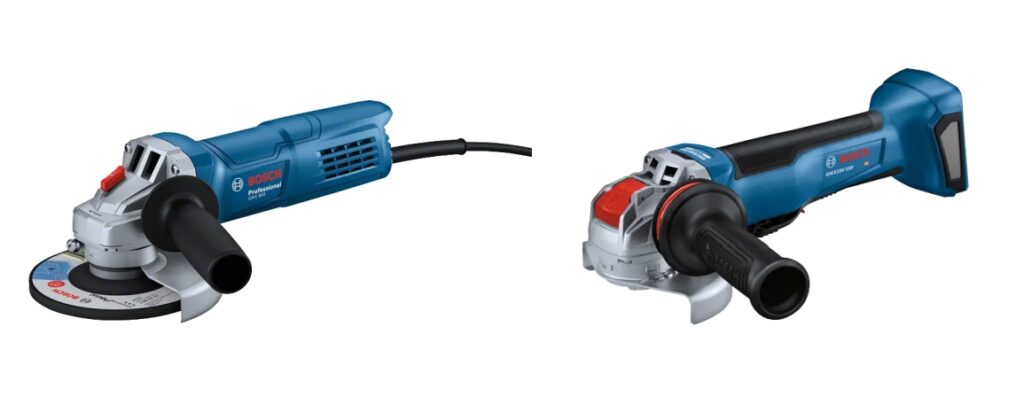
Their brushed 600–800W grinders sell extremely well in budget-driven regions, while their brushless 18V system leads in professional markets.
6.What Top Brands Are Doing
Milwaukee
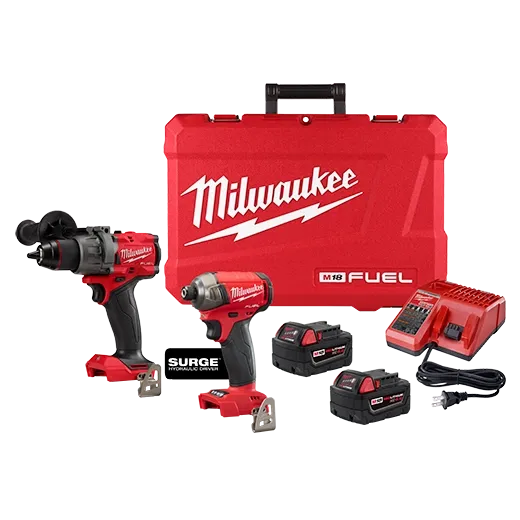
Their M18 FUEL series set a new standard. Heavy torque, great electronics, and aggressive branding what today’s professionals expect.
Makita
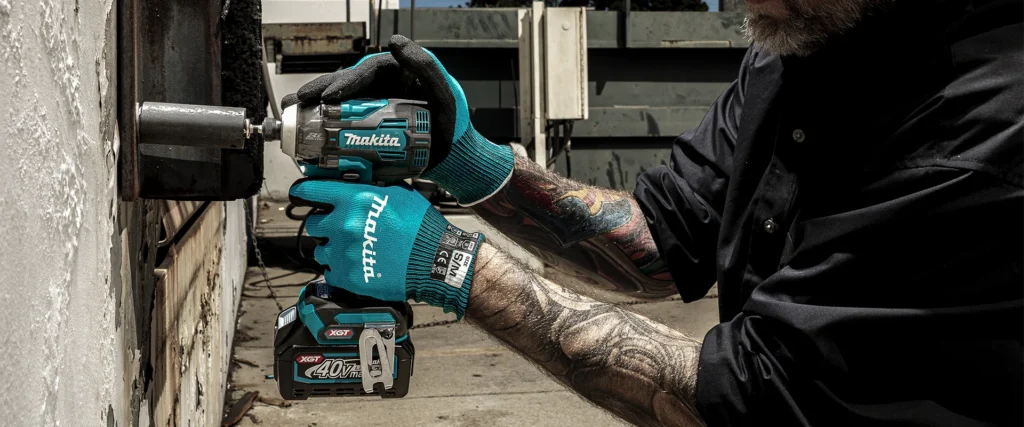
Makita covers every price tier. They never abandoned brushed tools, which is smart—many dealers still need them—but their brushless lineup is outstanding for trades people.
DeWalt
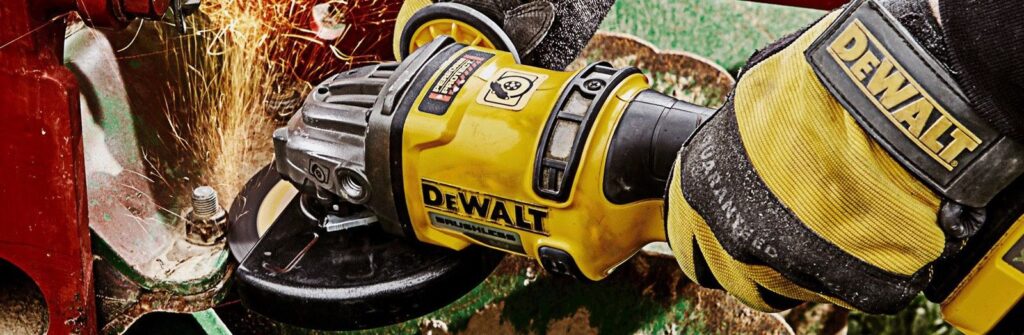
FlexVolt changed the conversation. The contractors loved that they could use the same battery for both 18V and high-voltage tools,it was a flexibility they had not seen coming.
These companies aren’t just selling tools – they’re actually changing what people expect from them.
So… which one should you choose?
After years of watching different markets grow, here is the most practical advice I can give:
Go with brushed tools if:
Your buyers care more about price than longevity
The market is DIY-heavy
You are selling promotional combos or entry-level kits
Go with brushless tools if:
You are targeting professionals
You want fewer aftersales issues
Your brand strategy is moving toward mid-to-high end
At WACTEC, we keep both lines for a reason. A distributor in Argentina may want value-priced brushed kits, while a U.S. dealer might only want brushless systems with strong battery platforms. Every market is different, and the “right” tools depend on who is holding them.
FAQ
1. Is a brushless motor better than a brushed motor?
Brushless motors are more efficient, durable, and suitable for heavy use.
Brushed motors are more affordable and work well for light-duty or price-sensitive markets.
2. What is the main difference between brushless and brushed motors?
The key difference is friction.
Brushed motors use physical brushes, which create heat and wear.
Brushless motors use electronic control, resulting in less heat and longer lifespan.
3. Why are brushless tools more expensive?
Because they require electronic controllers, better battery systems, and more precise engineering.
However, they usually reduce maintenance and improve performance over time.
4. Which motor type is better for my market
It depends on your customers.
DIY and budget markets prefer brushed tools, while professionals and contractors tend to choose brushless tools.
5. Are brushless tools becoming the standar
Yes, especially in North America and Europe.
But brushed tools still dominate in many emerging markets due to price advantages.
